
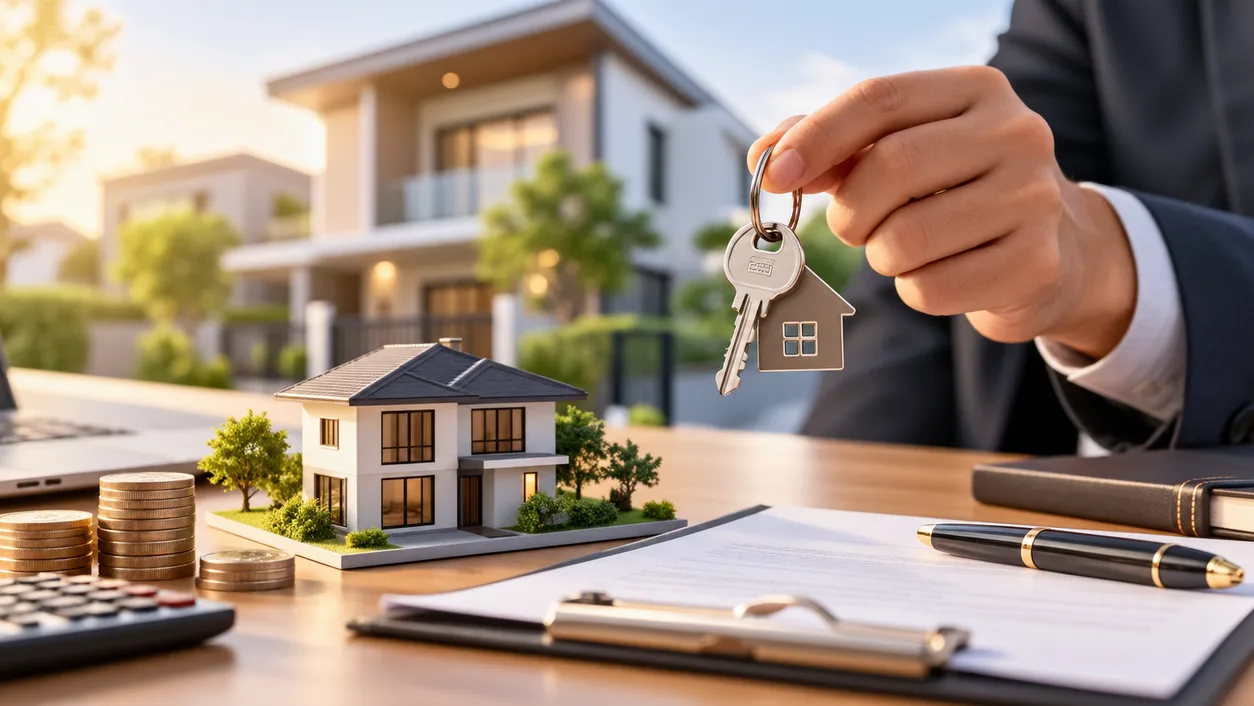
Buying a property for the first time is one of the most important financial decisions you can make, whether you are looking for a home to live in, a property to invest in, or a unit you want to keep as a long-term asset.
Finding the right property may seem simple at first, but there are many details you should pay attention to before paying any money or signing any contract.
In this guide, we review the most important steps that can help you buy a property for the first time in a more organized and informed way.
1. Define your goal for buying the property
Before you start searching for properties, ask yourself: Why do I want to buy this property?
Is the goal:
- Personal residence?
- Investment and renting it out?
- Reselling it in the future?
- Buying a property for vacations?
- Keeping the property as a long-term investment?
Defining your goal will help you choose the location, size, and type of property that suits your needs.
2. Set your budget accurately
Do not rely only on the advertised property price, because buying a property may involve additional costs such as administrative fees, registration, finishing, maintenance, taxes, or different charges depending on the type and location of the property.
It is therefore better to set a complete budget before you start searching.
It is also important not to make the installment amount or monthly financial commitment larger than what you can afford to pay.
3. Choose the location carefully
Location is one of the most important factors affecting the value of a property and how easy it may be to sell or rent in the future.
Pay attention to proximity to:
- Main roads.
- Transportation options.
- Schools and universities.
- Hospitals.
- Shopping centers and services.
- Workplaces.
- Commercial and entertainment areas.
Do not look only at the current condition of the area; also try to learn about development plans and future projects nearby.
4. Compare more than one property
Do not rush into buying the first property you like.
Compare several units in terms of:
Price – size – location – finishing – number of rooms – services – payment method – handover date – potential for resale or rental.
You can also create a simple table to help you see the differences between properties and make a more objective decision.
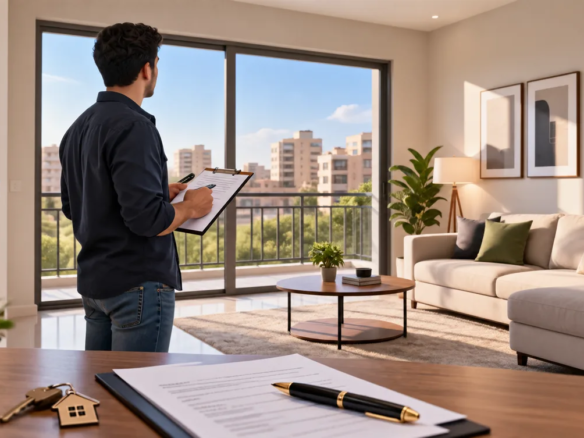
5. Inspect the property yourself
If the property is ready for viewing, do not rely only on photos and advertisements.
Visit the property and check its condition, paying attention to:
- Quality of finishing.
- Doors and windows.
- Electricity.
- Plumbing.
- Ventilation and lighting.
- Elevators.
- Parking spaces.
- Noise level.
- Condition of the building and common areas.
If you are buying a property under construction, try to learn about the project details, construction stages, and expected delivery schedule.
6. Verify the documents and ownership
This is one of the most important steps before completing the purchase.
Verify the seller’s identity and ownership of the property, and review the documents related to the unit, land, and project as applicable.
It is better to consult a lawyer or legal specialist to review the documents and contract before signing, especially if the property value is high.
7. Read the entire sale contract
Do not sign any contract just because the price is suitable or because the seller tells you the details are simple.
Read all clauses related to:
- Price.
- Payment method.
- Installment dates.
- Handover date.
- Unit specifications.
- Late penalties.
- Contract termination conditions.
- Maintenance responsibilities.
- Any additional fees.
If any clause is unclear, ask for an explanation before signing.
8. Do not pay in advance before verifying everything
Avoid transferring or paying large amounts before verifying the seller’s identity, property ownership, the validity of the documents, and the terms of the agreement.
Make sure you receive receipts and documents proving any amounts paid.
9. Think about the property’s future value
Even if your goal is to live in the property, it is useful to think about the possibility of selling or renting it in the future.
A property in a good location, with suitable services and real demand, may be easier to resell or rent.
10. Do not make price the only factor
The cheapest property is not necessarily the best property.
A slightly more expensive property may have a better location, better finishing, more services, and a better opportunity for resale or rental.
So compare value for money, not price alone.
Conclusion
Buying a property for the first time requires research, comparison, and avoiding rushed decisions.
Start by defining your goal and budget, then choose the right location, compare properties, inspect the unit and documents, and read the contract carefully before making the final decision.
Remember that a good property decision does not depend only on excitement about the property, but on correct information and calm analysis of all the details.
Your guide to buying a property for the first time starts with knowledge and ends with a choice that suits your needs and budget.


Join The Discussion